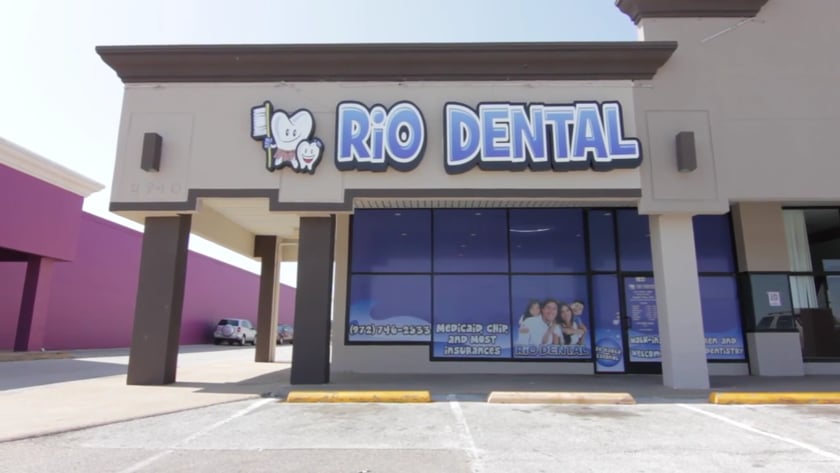
Finishing braces or clear aligner treatment is an exciting milestone, but the work of protecting your new smile does not stop the day your teeth are straight. Retainers play an essential role in keeping your results stable, comfortable, and long-lasting. At Rio Dental & Orthodontics, we help patients understand what to expect after orthodontic treatment so they can feel confident caring for their smile at home. Whether you recently completed treatment or need a replacement retainer, our team provides personalized guidance for patients in Farmers Branch, TX, who want to preserve the time, effort, and investment they have made in their oral health.
Why Retainers Are Important After Orthodontic Treatment
After braces or clear aligners move your teeth into better alignment, the surrounding bone, ligaments, and soft tissues need time to adapt. Without a retainer, teeth can gradually shift back toward their previous positions, especially during the first several months after treatment. This movement can happen slowly enough that patients may not notice it right away, but over time, it can affect bite alignment, spacing, crowding, and the overall appearance of the smile.
Retainers help hold the teeth in their corrected positions while the mouth stabilizes. They are not just a final step in orthodontic care; they are part of the long-term plan for maintaining results. At Rio Dental & Orthodontics, we explain retention clearly so patients understand why consistency matters and how retainers support the health and appearance of their smile well beyond active treatment.

Types Of Retainers & How They Work
Different patients may need different types of retainers depending on their bite, tooth movement, lifestyle, and long-term stability needs. Removable retainers are commonly used because they are easy to take out for eating, brushing, and flossing. These may include clear plastic retainers that fit closely over the teeth or acrylic-and-wire retainers that rest along the roof of the mouth or behind the lower teeth.
In some cases, a fixed retainer may be recommended. This type of retainer is bonded behind the teeth and stays in place continuously. Fixed retainers can be especially helpful for teeth that are more likely to shift, such as the lower front teeth. Each option has its own benefits, and our team helps patients understand how their retainer works, how to maintain it, and what to watch for as their smile settles after treatment.

How Often Retainers Should Be Worn
Retainer wear is most important immediately after orthodontic treatment because teeth are more likely to move during this stage. Many patients are instructed to wear their retainers full-time at first, removing them only for meals, brushing, and cleaning. Over time, the schedule may transition to nighttime wear, depending on the patient’s orthodontic needs and how stable the teeth remain.
It is important to follow the specific instructions provided by the dental team rather than guessing or wearing the retainer only occasionally. Even skipping wear for several nights can sometimes make a retainer feel tight, which may be an early sign that the teeth are beginning to move. Long-term retainer use is one of the simplest ways to protect orthodontic results and avoid needing additional corrective treatment in the future.
Caring For Your Retainer Properly
A retainer sits directly against the teeth, so keeping it clean is essential for oral health. Bacteria, plaque, and odors can build up on retainers if they are not cleaned consistently. Patients should rinse their retainer after removing it and clean it as directed using gentle methods that do not warp, scratch, or damage the appliance.
Retainers should also be stored in a protective case when they are not being worn. Wrapping a retainer in a napkin or placing it loosely in a pocket or bag makes it easier to lose or break. Heat can also damage certain retainers, so they should not be left in a hot car, placed in boiling water, or cleaned with harsh products unless specifically recommended. With the right care habits, a retainer can remain comfortable, hygienic, and effective.
Preventing Teeth From Shifting After Braces
Teeth naturally respond to daily forces from chewing, speaking, swallowing, and habits such as clenching or grinding. Aging can also contribute to subtle tooth movement over time. Because of this, retention is not only important during the first few months after braces; it is part of protecting the smile for years to come.
Patients can reduce the risk of shifting by wearing their retainer as instructed, maintaining regular dental visits, and addressing changes early if the retainer begins to feel uncomfortable or no longer fits properly. A retainer that suddenly feels too tight should not be ignored. It may mean the teeth have shifted or that the appliance has changed shape. Rio Dental & Orthodontics encourages patients in Farmers Branch, TX, to reach out promptly so small concerns can be addressed before they become larger orthodontic setbacks.

Replacing Lost Or Broken Retainers
Lost or broken retainers should be replaced as soon as possible. Waiting too long can allow teeth to shift, which may affect how the replacement retainer fits. Even minor movement can make it harder to return the teeth to their ideal position without additional treatment.
Common reasons retainers need replacement include cracks, warping, accidental disposal, pet damage, or normal wear over time. Patients should not try to repair a broken retainer at home, as this can create sharp edges, a poor fit, or uneven pressure on the teeth. Our team can evaluate the situation, determine whether a new impression or scan is needed, and create a replacement designed to fit comfortably and support continued stability.

Long-Term Retention & Protecting Your Smile Investment
Orthodontic treatment requires time, commitment, and financial investment, so retention should be viewed as part of preserving that investment. A straight smile can support easier brushing and flossing, improved bite function, and greater confidence, but those benefits are best maintained through consistent long-term care.
For many patients, nighttime retainer wear becomes a lifelong habit. This does not mean orthodontic treatment is incomplete; it means the teeth are being protected from natural shifting. Just as regular dental cleanings help preserve oral health, retainers help preserve alignment. Our team works with patients to make retention realistic and manageable, offering practical advice for travel, daily routines, cleaning, and replacement when needed.
Nightguards Vs. Retainers & Understanding The Difference
Although nightguards and retainers may look similar, they serve different purposes. A retainer is designed to hold teeth in their corrected positions after orthodontic treatment. A nightguard is typically made to protect the teeth from grinding or clenching during sleep. Wearing the wrong appliance for the wrong purpose may not provide the protection a patient needs.
Some patients who grind their teeth may need a custom solution that protects both their alignment and their enamel. In these cases, the dental team can evaluate the bite, signs of wear, jaw comfort, and retainer fit to determine the best option. It is important not to substitute an over-the-counter nightguard for an orthodontic retainer unless the dentist or orthodontic provider has confirmed that it is appropriate. Personalized guidance helps ensure the appliance supports both comfort and long-term smile stability.
Keep Your Smile Stable With Rio Dental & Orthodontics
Your orthodontic results deserve thoughtful follow-through, and retainers are one of the most important tools for keeping your smile where it should be. At Rio Dental & Orthodontics, we help patients feel informed and supported after braces or clear aligner treatment, from choosing the right retainer to understanding daily wear, cleaning, and replacement needs. If your retainer feels tight, has been misplaced, or no longer fits the way it should, our team can help you take the next step with care that is clear, practical, and focused on protecting your new smile.
Testimonials
What Our Patients Are Saying
Watch Video
Rio Dental & Orthodontics Office Tour